I want to be straightforward with you: when I started looking into pilot training, I was buried in conflicting information. Flying school websites listed fees without explaining what was included. Forums had posts from 2017 that may or may not still apply. Nobody clearly explained the sequence of steps, what each one demanded, or how long it actually took.
This article is the one I wish I had found. It covers the DGCA pathway as it stands today — not as a sales pitch, but as a practical map.
The Four Stages of DGCA Pilot Training
The pathway to a Commercial Pilot Licence (CPL) in India is governed by the Directorate General of Civil Aviation (DGCA). It consists of four sequential phases, and you cannot skip ahead — each stage has regulatory prerequisites that must be met before the next one opens.
- Stage 1 — Ground School: Seven DGCA written examination subjects: Air Navigation, Meteorology, Air Regulations, Technical General, Technical Specific, Radio Telephony (RTR), and Aviation Medicine. These are proper technical papers — Navigation and Technical General in particular require months of disciplined preparation. Most students underestimate this stage. Don't.
- Stage 2 — Student Pilot Licence (SPL) & Medical: Before you touch a real aircraft, DGCA requires a Class 2 medical certificate (Class 1 before CPL issue) and an SPL. The medical isn't a formality — conditions like colour vision deficiency or certain cardiac findings can affect eligibility. Get your medical done early.
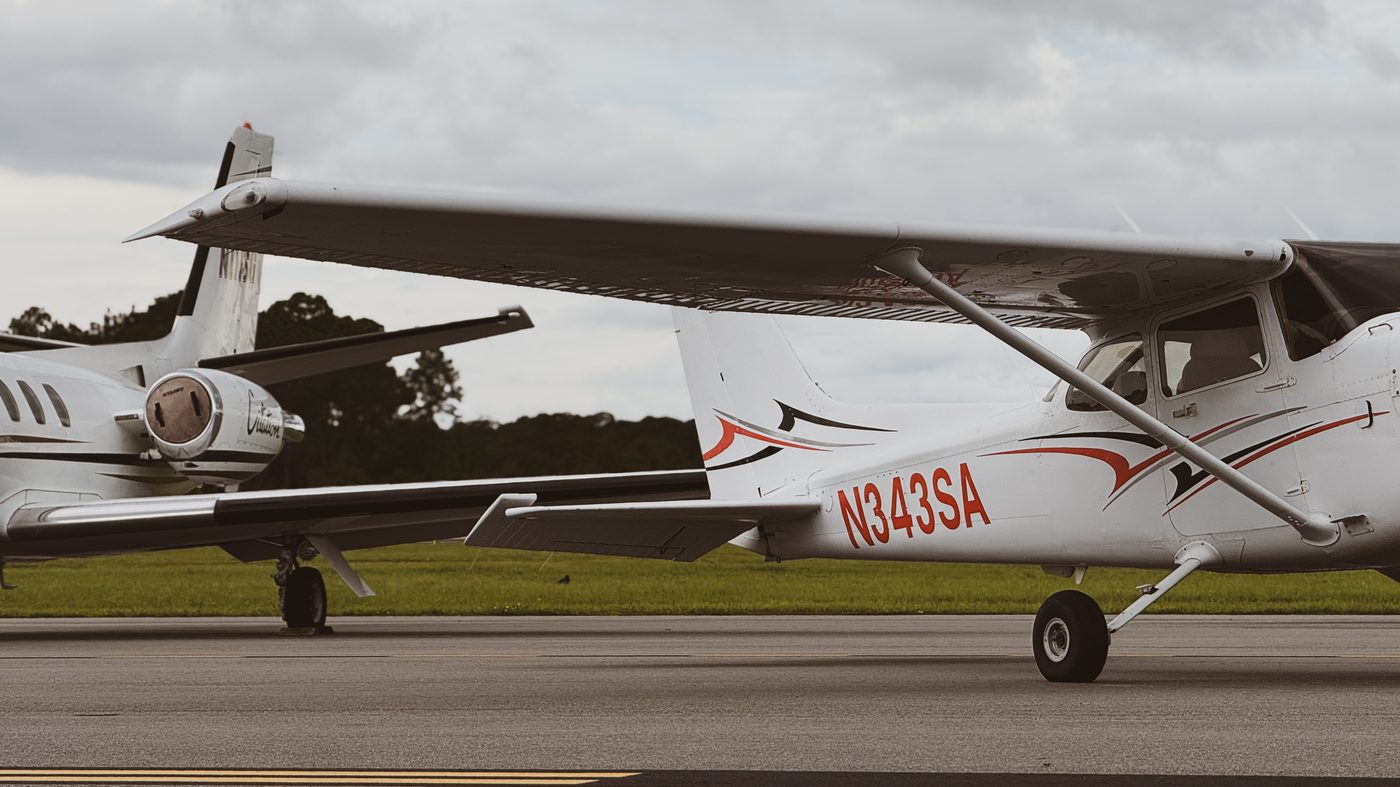
- Stage 3 — Private Pilot Licence (PPL): Your first real flight hours. A minimum of 40 hours total flight time, including at least 10 hours solo. You'll learn circuit flying, basic navigation, emergency procedures, and forced landings. This is where the theory becomes instinct.
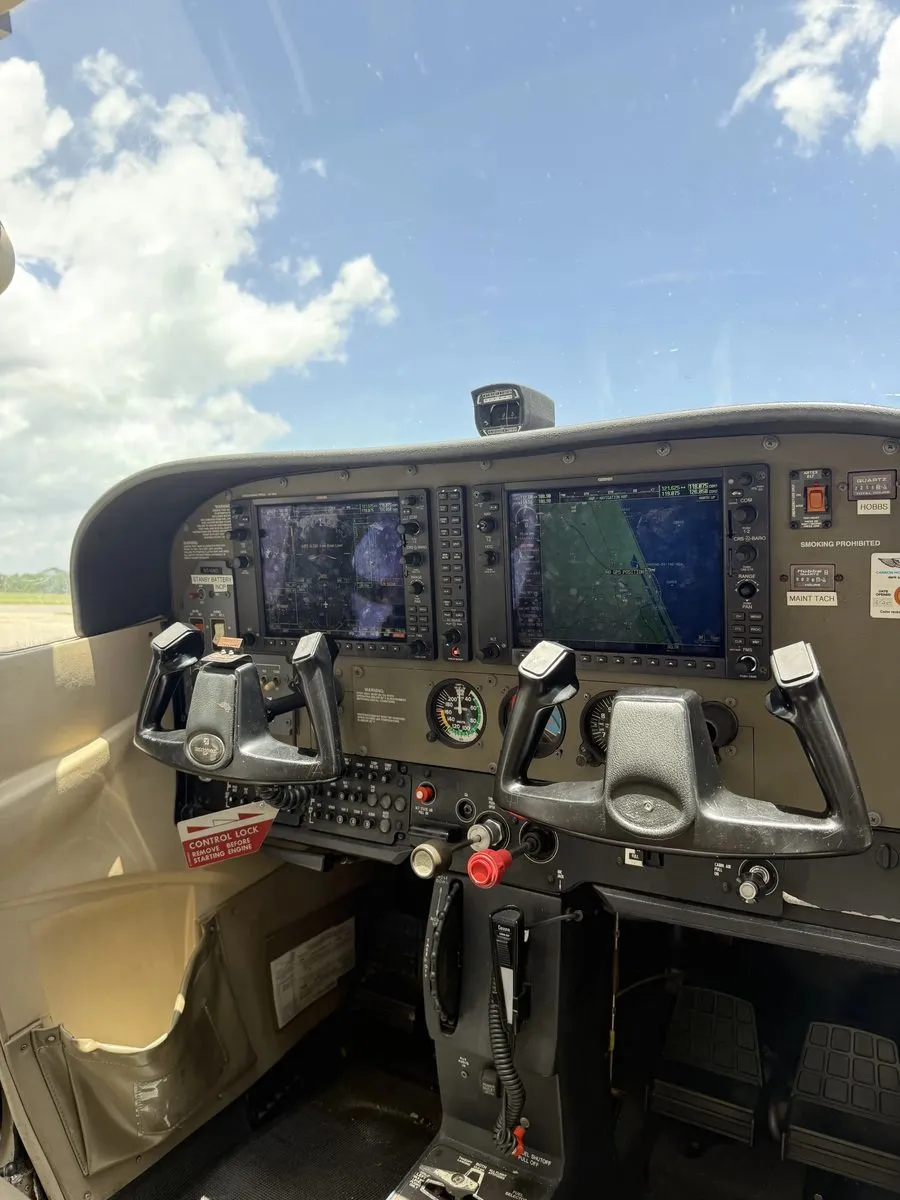
- Stage 4 — Commercial Pilot Licence (CPL): A minimum of 200 hours total flight time, including cross-country, night flying, and instrument flying under IFR procedures. The CPL is the qualification that legally allows you to be paid to operate an aircraft.
After CPL, pilots pursuing airline careers typically complete a Type Rating — aircraft-specific training on the jet type their airline operates, most commonly the Airbus A320 or Boeing 737. Type rating costs are separate and are sometimes sponsored by the airline depending on the cadet programme you enter.
What Nobody Tells You About Ground School
"I genuinely did not expect Ground School to be the hardest part. I thought flying would be the challenge. Ground school nearly broke my study habits before I'd ever left the ground." — Keshav Jalan, Co-Founder, AeroPath Global
The seven DGCA written subjects are not overview courses. Navigation requires genuine proficiency in chart reading, wind calculations, and flight planning. Technical General covers aircraft systems — engines, hydraulics, electrical, pressurisation — at a level of depth that surprises most new students. Meteorology involves understanding synoptic charts, SIGMET reports, and turbulence forecasting.
Students who struggle later in flight training almost always have foundation gaps from rushing through ground school. The subjects compound — a pilot who doesn't properly understand instrument meteorological conditions will struggle when they encounter them at 8,000 feet over a cloud layer.
At AeroPath, our Ground School classes are structured around genuine comprehension, not exam-passing shortcuts. We teach the reasoning behind the rules, because pilots who understand why make better decisions when the unexpected happens.
Where Students Commonly Go Wrong
Having gone through this myself, and having now counselled students across every stage of the process, the patterns are consistent:
- Delaying the medical: Some students spend months preparing academically only to discover a medical condition that affects their eligibility. Get a DGCA-authorised medical examination in the first few weeks — not after you've already committed months of study.
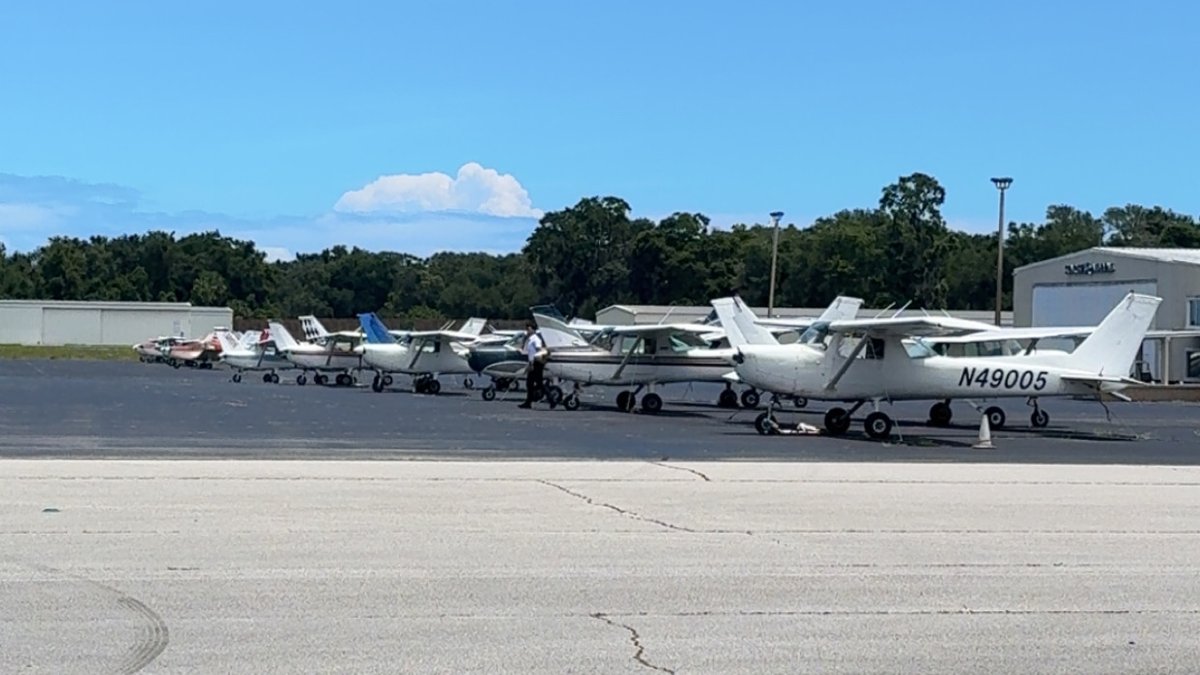
- Choosing a flying school based on cost alone: The cheapest flight training options frequently involve older aircraft, limited instructor availability, or locations with restricted airspace that limits the type of training hours you can log. Investigate the school's fleet, instructor experience, and how many students are sharing each aircraft.
- Underestimating the timeline: The DGCA pathway takes a realistic 2.5 to 3.5 years from enrolment to CPL issue. Students who plan for two years and run out of financial runway mid-training face serious disruption. Budget for the full duration, with a margin.
- Ignoring RTR: The Radio Telephony Restricted exam is treated as a box-ticking exercise by many students. It isn't. Standard radio phraseology is a safety-critical skill. Poor RT in busy controlled airspace creates real hazards.
The Eligibility Checklist
DGCA eligibility requirements for the CPL pathway are clearly laid out in the Aircraft Rules, 1937 and subsequent DGCA Civil Aviation Requirements (CARs). In summary:
- Minimum age: 17 years for SPL, 18 years for PPL, no minimum age restriction for CPL (but must hold PPL)
- Education: Class 12 pass with Physics and Mathematics from a recognised board (or equivalent)
- Medical: DGCA Class 1 medical certificate (Class 2 is acceptable for PPL stage)
- English: Conversational proficiency — ICAO Language Proficiency Rating of Level 4 or above is required for CPL issue
If you have completed Class 12 with Physics and Maths, hold a clean medical, and are 17 or older — you are eligible to begin. The rest is commitment and sound preparation.
How AeroPath Structures the Journey
We built AeroPath because the guidance infrastructure didn't exist in a form we were satisfied with. Our programmes are designed to move students efficiently from enrolment to CPL, with the administrative groundwork — DGCA registration, medical coordination, flying slot allocation at our international partner FTOs — handled by our team.
Flight training through our network takes place at partner Flying Training Organisations in the USA, Europe (Greece), South Africa, and the Philippines — all DGCA-recognised international FTOs. Student accommodation and ground transport at the training location are included, because logistical friction is one of the most underrated causes of training disruption.
If you'd like a clear, personalised picture of costs and timeline for your specific situation, our consultation is free and carries no obligation.